
Digital Infidelity: Is Sexting Considered Cheating?
In today’s digital world, many relationships are wounded not by physical affairs, but by secret online behavior—sexting, explicit messaging, hidden social media accounts, or emotional intimacy conducted behind a screen. When discovered, partners often ask the same painful question: “Does this really count as cheating?”
For the person who discovers it, the answer in their body is usually immediate and unmistakable: it hurts like betrayal.
As a therapist specializing in betrayal trauma and infidelity recovery, I see firsthand how so-called “virtual” affairs can cause very real psychological harm.
What Is Digital Infidelity?
Digital infidelity refers to secretive romantic or sexual interactions conducted online that violate the trust and boundaries of a committed relationship. This may include:
Sexting or exchanging explicit photos or videos
Sexual messaging through social media or dating apps
Emotional intimacy with someone online kept hidden from a partner
Maintaining secret accounts, emails, or messaging platforms
Consuming interactive sexual content involving real people
While these behaviors may not involve physical contact, they often involve sexual energy, emotional investment, deception, and secrecy, the core ingredients of infidelity.
Why Sexting Can Feel Like Cheating
Many people minimize online behavior by saying, “It was just texting,” or “Nothing physical happened.” But betrayal is not defined by physical proximity; it is defined by broken trust.
For the betrayed partner, digital infidelity often triggers:
Shock and disbelief
Loss of emotional safety
Intrusive thoughts and mental images
Hypervigilance around devices and technology
Deep questioning of reality and trust
From a trauma perspective, the nervous system does not distinguish between a physical affair and a virtual one. It responds to threat, deception, and attachment rupture.
Learn more about Betrayal and Psychological Abuse.

Sexting and secret accounts can cause real betrayal trauma.
The Role of Secrecy and Deception
What makes sexting and online affairs particularly damaging is concealment. When a partner hides conversations, deletes messages, or lies when confronted, the betrayal deepens.
Secrecy creates a split reality:
One relationship the betrayed partner believed they were in
Another relationship occurring out of sight
This dual reality often leads to betrayal trauma, a condition in which the injured partner begins to doubt their perception, judgment, and even their sanity.
Emotional Affairs in the Digital Age
Digital infidelity is not always explicitly sexual. Many online affairs begin with emotionally sharing personal struggles, offering validation, or creating a sense of exclusivity.
Emotional cheating may include:
Turning to someone else for comfort instead of a partner
Sharing intimate details not disclosed at home
Prioritizing online connection over real-life intimacy
Feeling emotionally bonded to someone outside the relationship
These attachments can be just as threatening to a primary relationship as sexual contact—sometimes more so.
Why Discovering Digital Infidelity Is So Traumatizing
Partners often feel embarrassed for being so affected by “just messages.” This self-doubt compounds the injury.
However, the pain makes sense. Digital infidelity:
Violates agreed-upon or assumed boundaries
Involves intentional deception
Threatens attachment security
Undermines emotional exclusivity
The brain processes this as relational danger, activating the same stress responses seen in other forms of trauma.
This is why many partners experience anxiety, insomnia, intrusive thoughts, and symptoms similar to PTSD after discovering sexting or online affairs.
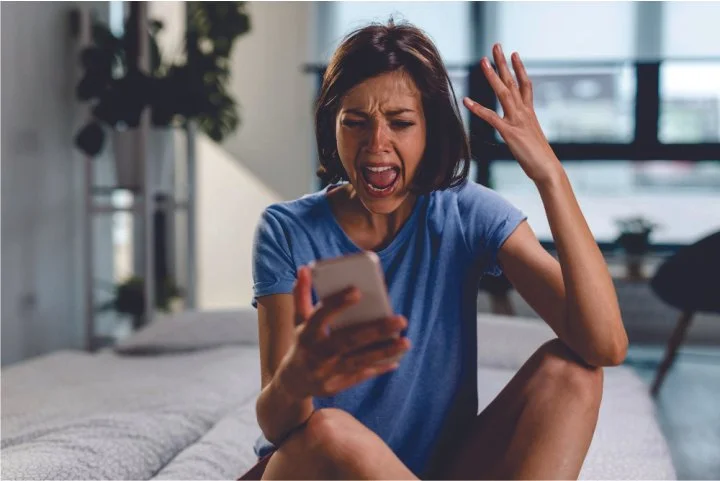
Secrecy and deception split reality and deepen emotional harm.
Boundaries in the Digital Age
One of the challenges modern couples face is that digital boundaries are often unspoken. Many people assume their partner “knows” what is acceptable—until it is violated.
Healthy relationships require explicit conversations about:
What constitutes cheating
Transparency around devices and accounts
Social media interactions
Pornography versus interactive sexual content
Emotional intimacy with others
There is no universal rule—but secrecy is often the clearest red flag.
If behavior must be hidden, minimized, or defended, it likely crosses a boundary.
Validating the Betrayed Partner’s Pain
Partners who discover digital infidelity are often told:
“You’re overreacting”
“It wasn’t real”
“Everyone does it online”
These responses can be as damaging as the behavior itself.
Pain does not need justification. If trust is broken, the injury is real.
Your reaction reflects your nervous system responding to loss of safety, not insecurity or control issues.
Understand how it works The Impact of Sex Addiction on Partners.
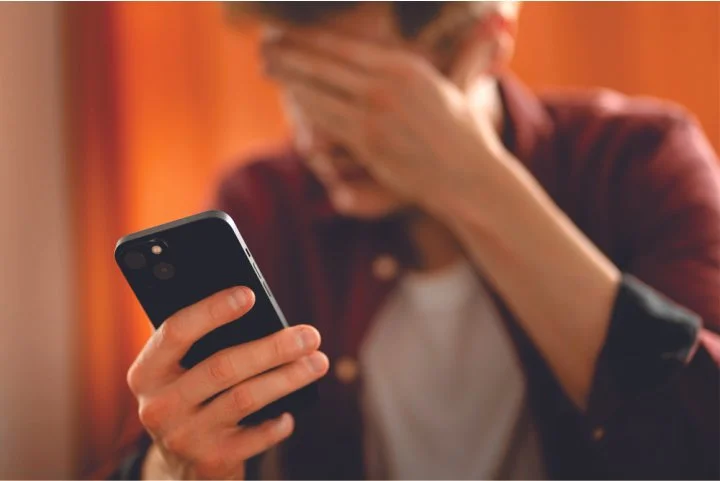
Healing needs transparency, boundaries, and trauma-informed therapy.
Healing After Digital Infidelity
Recovery from digital infidelity requires more than apologies or deleted accounts. Healing involves:
Full transparency and accountability
Understanding the impact of the behavior
Rebuilding emotional safety
Trauma-informed therapy when symptoms persist
Betrayal trauma therapy helps injured partners process shock, regulate their nervous systems, and restore self-trust—whether the relationship continues or not.
Final Thoughts
So, is sexting considered cheating?
If it violates trust, involves secrecy, and damages emotional safety, the answer is yes.
Digital infidelity may occur behind a screen, but its impact is deeply embodied and real. The pain it causes deserves recognition, validation, and professional care.
If you are struggling after discovering online betrayal, you are not “too sensitive.” You are responding to a breach of trust in the digital age—and healing is possible.
Also read the article: Understanding the Causes and Consequences of Sex Addiction.

About The Author
Dr. Noelia Leite is an experienced integrative psychotherapist and relationship expert, with a focus on couples therapy, trauma recovery, sex addiction, and emotional healing. She is dedicated to helping couples navigate complex emotional challenges, including betrayal, trust restoration, and communication difficulties. Dr. Leite also offers compassionate support to individuals dealing with anxiety, depression, trauma, and self-esteem issues, empowering them to grow and heal. Her approach combines evidence-based practices with a client-centered focus, fostering personal growth and stronger relationships.
Dr. Leite holds a Ph.D. in Mind-Body Medicine with a specialization in Integrative Mental Health, as well as a Master’s degree in Marriage and Family Therapy and Health Psychology. She is a licensed marriage and family therapist, a certified sex addiction therapist, and a specialist in betrayal trauma therapy. Additionally, she has advanced certifications in clinical hypnotherapy, yoga instruction, yoga therapy, and biopsychology. As a state supervisor, Dr. Leite also mentors and guides other mental health professionals.
With extensive experience across multiple countries, Dr. Leite has worked with individuals, couples, families, professionals, and groups in diverse multicultural settings, including universities, hospitals, community mental health centers, and both public and private sectors. Her expertise is recognized in the academic community through her contributions to scientific research and peer-reviewed publications.
Based in Miami, FL, Dr. Leite offers both in-person and online sessions. Her mission is to help individuals, couples, and professionals break free from toxic relationships, negative thought patterns, and unresolved trauma, ultimately enhancing mental and physical well-being. For more information about Dr. Leite’s services, click here.