
PTSD Symptoms After Infidelity: Why You Can’t “Just Get Over It”
One of the most painful things people hear after discovering infidelity is:
“Why can’t you just move on?”
“It’s over now—why are you still upset?”
If you’ve asked yourself these same questions, let’s be very clear from the start: your reaction is not weakness, immaturity, or an inability to forgive. What you may be experiencing looks—and feels—very much like post-traumatic stress.
Infidelity is not merely a relationship issue. For many, it is a psychological trauma that disrupts the nervous system, the sense of safety, and the brain’s ability to trust reality itself.
Infidelity as Trauma: What Research Shows
Trauma is defined not only by what happens but also by how the nervous system processesit. Betrayal by a trusted partner meets the criteria for trauma because it involves:
Sudden loss of emotional safety
Violation of attachment bonds
Shock, secrecy, and deception
Powerlessness and lack of informed consent
Research on betrayal trauma shows that the brain processes relational betrayal similarly to other traumatic events. This is why many betrayed partners develop symptoms consistent with PTSD or Complex PTSD, even though the event was not physical violence.
Your brain does not categorize trauma by logic—it categorizes it by threat.
Understand What Do You Need to Know About Hypnotherapy?

PTSD symptoms after infidelity are real and deserve trauma-informed care.
Common PTSD-Like Symptoms After Infidelity
Many people are surprised—and frightened—by their own reactions after discovering an affair. Common symptoms include:
1. Intrusive Thoughts and Flashbacks
You may experience unwanted mental images, obsessive replaying of conversations, or vivid “flashbacks” triggered by locations, dates, or even neutral comments.
These are not choices. They are the brain’s attempt to process unresolved threats.
2. Hypervigilance and Anxiety
Your nervous system may stay on constant alert. You might:
Check phones or emails compulsively
Feel panic when your partner is late
Scan for “signs” that something is wrong
This is the survival brain trying to prevent future harm.
3. Emotional Dysregulation
Sudden waves of anger, grief, numbness, or despair can feel unpredictable. One moment you may feel stable, and the next completely overwhelmed.
Trauma disrupts the brain regions responsible for emotional regulation, especially the amygdala and prefrontal cortex.
4. Sleep and Appetite Disturbances
Difficulty sleeping, nightmares, loss of appetite, or emotional eating are common physiological responses to prolonged stress and shock.
5. Loss of Identity and Reality Confusion
Many betrayed partners say:
“I don’t know who I am anymore.”
“I don’t trust my own judgment.”
“Was any of it real?”
This symptom is particularly associated with psychological betrayal, where reality itself feels manipulated.
See also: Building Connections - The Power of Peer Support in Group Therapy.

Intrusive thoughts and hypervigilance are common after betrayal trauma.
Why You Can’t “Just Get Over It”
Healing from trauma is not a matter of willpower. When trauma occurs, the body releases stress hormones like cortisol and adrenaline, priming the system for danger. Over time, the nervous system becomes stuck in survival mode.
Telling someone to “move on” from trauma is like telling someone with a broken leg to “walk it off.”
Until the nervous system learns that the threat has passed and that safety can be restored, symptoms persist.
This is why reassurance alone rarely works. Trauma is stored in the body and brain, not just in thoughts.
Removing the Shame: This Is Not a Character Flaw
Many betrayed partners blame themselves for:
Being “too sensitive”
Not forgiving fast enough
“Ruining” the relationship by reacting
This self-blame compounds the trauma.
What you are experiencing is a normal physiological response to abnormal relational injury. Your symptoms reflect how deeply you loved, trusted, and bonded—not a failure to cope.
Why Trauma-Informed Therapy Matters
Traditional talk therapy often falls short for betrayal trauma because it focuses on insight rather than nervous system repair.
Trauma-informed therapy addresses:
The body’s stress response
Attachment injury
Emotional safety and stabilization
Gradual processing without re-traumatization
Modalities such as hypnotherapy, EMDR, somatic therapies, and attachment-focused trauma work help the brain re-integrate the experience, so it no longer feels ongoing.
A trauma specialist understands that healing is not about “letting it go,” but about restoring internal safety.
Also read the article: Navigating the Storm of Couples Therapy - Understanding the Impact of Sex Addiction on Couples’ Relationship.
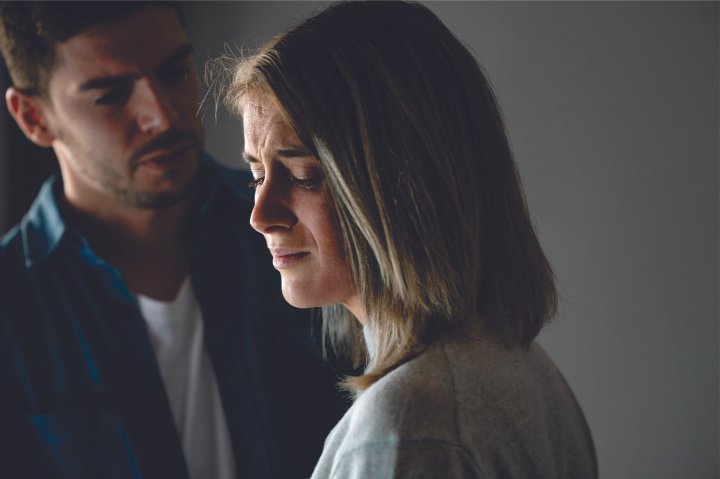
Healing from infidelity starts with safety, support, and self-trust.
Healing Is Possible—and It’s Not Linear
Trauma recovery does not follow a straight line. You may have days when you feel strong and hopeful, followed by days when grief resurfaces unexpectedly. This does not mean you are failing—it means your nervous system is recalibrating.
With proper support, PTSD symptoms after infidelity do resolve. Trust can be rebuilt—internally first, and relationally later, if appropriate.
Final Thoughts
If infidelity has left you feeling anxious, stuck, or emotionally raw long after the discovery, please know this:
You are not broken. You are responding to trauma.
And trauma deserves specialized care, compassion, and time.
You don’t need to “get over it.”
You need to heal through it.
Continue learning: The 5 Stages of Healing from Betrayal Trauma - What to Expect.
About The Author:

Dr. Noelia Leite is a seasoned integrative psychotherapist and relationship expert, specializing in couples therapy, trauma recovery, sex addiction, and emotional healing. She is committed to guiding couples through complex emotional challenges such as betrayal, trust rebuilding, and communication issues. Dr. Leite also supports individuals facing anxiety, depression, trauma, and self-esteem concerns, offering compassionate and empowering care that fosters understanding and growth. Her approach blends evidence-based techniques with a client-centered focus, promoting personal development and deeper connections.
Dr. Leite holds a Ph.D. in Mind-Body Medicine with a focus on Integrative Mental Health, and a Master’s degree in Marriage and Family Therapy and Health Psychology. She is a licensed marriage and family therapist, a certified sex addiction therapist, and a specialist in betrayal trauma therapy. Additionally, she has advanced certifications in clinical hypnotherapy, yoga instruction, yoga therapy, and biopsychology. As a state supervisor, she also mentors and supports other mental health professionals.
Her extensive experience spans multiple countries, where she has worked with individuals, couples, families, professionals, and groups in diverse multicultural environments, including universities, hospitals, community mental health centers, and both public and private sectors. Dr. Leite’s expertise is well-recognized in the academic community through her contributions to scientific research and peer-reviewed publications.
Based in Miami, FL, Dr. Leite provides both in-person and online sessions. Her mission is to help individuals, couples, and professionals overcome toxic relationships, negative thought patterns, and unresolved trauma, enhancing overall mental and physical well-being. For more information about Dr. Leite’s services, click here.