
Does Hypnotherapy Work for Anxiety and Trauma? Debunking the Myths

Hypnotherapy is often surrounded by mystery and misunderstanding. For many people, the word “hypnosis” brings to mind stage performers making volunteers cluck like chickens or lose control of their behavior. Because of these popular images, hypnotherapy is sometimes dismissed as entertainment rather than a legitimate therapeutic tool.
However, modern clinical hypnotherapy is very different from stage hypnosis. In reality, it is a well-researched therapeutic technique used by trained mental health professionals to help people access deeper levels of focus and awareness. When integrated with evidence-based psychotherapy, hypnotherapy can be a powerful tool for treating anxiety, trauma, and many other psychological and behavioral conditions.
Let’s explore what hypnotherapy really is, how it works, and why it can be effective in the healing process.
What Is Hypnotherapy?
Hypnotherapy is a therapeutic technique that uses guided relaxation, focused attention to help clients access deeper parts of their mind, where the negative feelings and thoughts are stored.
Contrary to common myths, hypnosis is not mind control. Clients remain aware of what is happening, can hear the therapist’s voice, and can stop the process at any time. In fact, many people describe hypnosis as feeling similar to being deeply absorbed in a movie or daydream.
During this focused state, the brain becomes more receptive to new perspectives, emotional processing, and cognitive restructuring. This is one reason hypnotherapy can accelerate therapeutic progress.
Neuroscience research suggests that hypnosis can shift brain activity in ways that improve concentration and reduce activity in the brain’s default mode network, the system associated with rumination and self-critical thinking—two processes heavily involved in anxiety and trauma.
Understand How Couples Therapy Can Help to Address Sexual Issues.
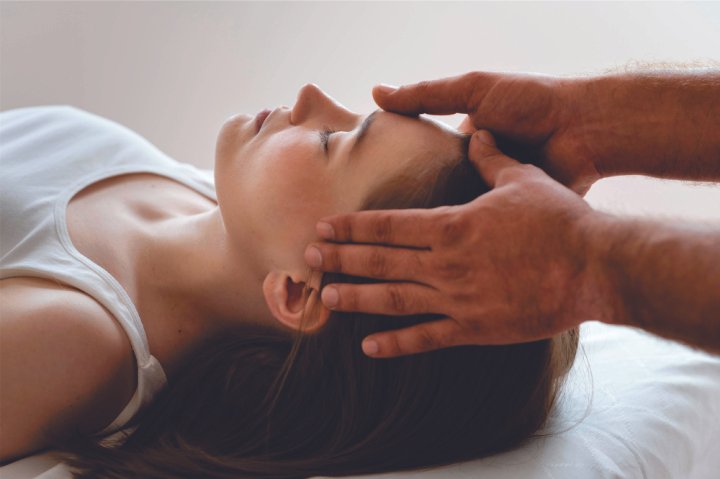
Hypnotherapy may help anxiety and trauma recovery.
Hypnotherapy for Anxiety
Anxiety disorders are among the most common mental health challenges worldwide. Many people struggle with persistent worry, racing thoughts, panic attacks, and physical symptoms such as tension or insomnia.
Hypnotherapy can help anxiety in several ways:
1. Calming the nervous system
Hypnosis induces deep relaxation, activating the parasympathetic nervous system—the body’s natural “rest and restore” state. This can reduce chronic stress and physiological arousal.
2. Reframing negative thought patterns
While in a focused hypnotic state, clients may become more open to replacing automatic catastrophic thinking with healthier perspectives.
3. Strengthening emotional regulation
Hypnotherapy can help individuals visualize successful coping strategies, building confidence in their ability to manage stress and uncertainty.
Research has shown that hypnotherapy can significantly enhance the effects of cognitive-behavioral therapy (CBT) for anxiety disorders. Instead of replacing traditional therapy, it often works best in combination with established approaches.
Hypnotherapy for Trauma
Trauma can leave deep emotional and physiological imprints. Survivors may experience intrusive memories, hypervigilance, emotional numbness, or difficulty trusting others.
Hypnotherapy can support trauma healing when used carefully and ethically by a trained professional.
Some of its benefits include:
Accessing subconscious emotional material
Traumatic memories are often stored in implicit or emotional memory systems rather than narrative memory. Hypnosis can help access these deeper layers in a controlled and safe way.
Reducing emotional intensity
Through guided imagery and rescripting techniques, clients can process traumatic memories while remaining grounded and regulated.
Strengthening inner resources
Hypnotherapy frequently includes visualization of safety, resilience, and self-compassion—important elements in trauma recovery.
It is important to note that hypnotherapy for trauma must always be conducted by clinicians trained in trauma-informed care. The goal is not to force memories or relive trauma but to support integration and emotional healing.
See also: Rebuilding Trust - Steps for the Partner Who Cheated to Show True Remorse.

Clinical hypnosis is focused attention, not mind control.
Common Myths About Hypnotherapy
Despite its clinical use, many myths about hypnosis still persist.
Myth 1: Hypnosis means losing control
In reality, clients remain aware and cannot be forced to do anything against their will.
Myth 2: Only weak-minded people can be hypnotized
Hypnotic responsiveness is actually associated with imagination and the ability to focus, not weakness.
Myth 3: Hypnosis is sleep
Although the word “hypnosis” comes from the Greek word for sleep, the hypnotic state is actually a form of focused attention, not unconsciousness.
Myth 4: Hypnosis creates false memories
Ethical hypnotherapists avoid suggestive questioning and focus on emotional processing rather than memory retrieval.
Other Conditions Hypnotherapy May Help Treat
While anxiety and trauma are common reasons people seek hypnotherapy, research suggests it may also help with a variety of other conditions.
These include:
Insomnia and sleep disturbances
Chronic pain and migraines
Phobias and fears
Smoking cessation
Weight management and emotional eating
Irritable bowel syndrome (IBS)
Performance anxiety
Habit disorders such as nail biting
In medical settings, hypnosis has also been used to help patients manage pain during procedures, reduce nausea related to chemotherapy, and improve recovery after surgery.

Trauma-informed hypnotherapy supports safe emotional healing.
What a Hypnotherapy Session Looks Like
A typical hypnotherapy session usually includes several steps:
1. Discussion of goals
The therapist and client clarify the issue being addressed and establish safety and trust.
2. Induction
The therapist guides the client into a relaxed, focused state using breathing, imagery, or progressive relaxation.
3. Therapeutic work
This may include visualization, reframing, emotional processing, or strengthening coping strategies.
4. Integration
The therapist gradually guides the client back to full awareness and discusses insights from the session.
Many clients report feeling calm, clear, and emotionally lighter after a session.
The Bottom Line
Hypnotherapy is not magic, mind control, or entertainment. When practiced by trained clinicians, it is a legitimate therapeutic tool supported by decades of psychological and medical research.
For individuals struggling with anxiety, trauma, and other stress-related conditions, hypnotherapy can provide a pathway to deeper emotional processing, nervous system regulation, and faster therapeutic progress.
Rather than replacing traditional therapy, it often works best as a complement to evidence-based approaches, helping clients access parts of the mind that are sometimes difficult to reach through talk therapy alone.
As research continues to grow, hypnotherapy is increasingly being recognized as a valuable component of integrative mental health care—one that helps bridge the gap between the conscious and subconscious mind, where many of our emotional patterns truly live.
See also our guide about Healing the Wounds: Understanding Relationship Trauma, Its Impact on Relationships, and the Role of Couples Therapy.

About The Author
Dr. Noelia Leite is an integrative psychotherapist and relationship specialist whose work sits at the intersection of trauma recovery, emotional healing, and advanced couples therapy. With deep expertise in betrayal trauma, sex and multiple addictions, attachment injuries, and complex relational dynamics, she helps couples navigate some of the most painful and destabilizing experiences—rebuilding trust, restoring intimacy, and creating healthier patterns of connection.
She also works extensively with individuals facing anxiety, depression, trauma, identity challenges, and self-worth concerns, offering a compassionate, evidence‑based approach that supports both emotional and physiological healing. Her clinical style blends neuroscience, mind‑body medicine, attachment theory, and experiential therapies, creating a grounded and empowering therapeutic experience.
Dr. Leite holds a Ph.D. in Mind‑Body Medicine with a specialization in Integrative Mental Health, as well as Master degrees in Marriage and Family Therapy and Health Psychology. She is a Licensed Marriage and Family Therapist (LMFT) in several states in the USA, and a licensed clinical and counseling psychologist in Brazil and the United Kingdom. Dr. Leite has numerous years of international practice—including clinical work in Brazil, the United Kingdom, Singapore, Malasia, and Argentina—and expanded her expertise in the United States, deepening her specialization in couples therapy, multiple addictions, trauma treatment, and integrative mental health.
Dr. Leite’s clinical work spans diverse countries and cultural settings, including universities, hospitals, community mental health centers, and both public and private practice. Having lived and worked in several countries—and traveled to nearly 100—she brings a multicultural, philosophically grounded, and spiritually informed perspective to therapy. These experiences deepen her insight into relationships, identity, and healing across cultures.
Her contributions to scientific research and peer‑reviewed publications are recognized in the academic community. She is also a state‑approved supervisor and provides therapy in English, Spanish, and Portuguese.
Based in Miami, Florida, Dr. Leite offers both in-person and online therapy. She helps individuals, couples, and professionals move beyond toxic relationship patterns, unresolved trauma, and limiting emotional cycles to build greater self-awareness, healthier relationships, and lasting well-being. Learn more about Dr Leite.