
Sexual Anorexia: When Withholding Intimacy Becomes a Weapon
When people think about sexual problems in relationships, the conversation often centers on excessive sexual behavior or infidelity. However, intimacy struggles exist on the opposite end of the spectrum as well. Some individuals experience a powerful fear or avoidance of sexual intimacy—sometimes called sexual anorexia.
While the term is not an official psychiatric diagnosis, it is widely used in clinical conversations about intimacy disorders. Sexual anorexia refers to the persistent avoidance of sexual, emotional, or intimate connection, often accompanied by anxiety, shame, or control dynamics within a relationship.
In some cases, the withdrawal from intimacy is driven by trauma, fear, or deeply rooted beliefs about sex. In others, it can become a form of emotional control within the relationship—where intimacy is withheld as a way to punish, distance, or maintain power.
Understanding sexual anorexia helps broaden the conversation about sexual health and allows couples to address intimacy problems with greater compassion and awareness.
What Is Sexual Anorexia?
Sexual anorexia describes a pattern in which a person actively avoids sexual intimacy, romantic closeness, or physical affection despite being in a committed relationship.
This avoidance may include:
Avoiding sexual contact or physical closeness
Feeling anxiety, disgust, or panic when intimacy is expected
Creating excuses or barriers to avoid sex
Excessive focus on work, parenting, or responsibilities to avoid intimacy
Criticizing or rejecting a partner to maintain distance
Feeling shame or fear surrounding sexuality
While everyone has periods of low desire, sexual anorexia involves a persistent pattern of avoidance that creates emotional disconnection in the relationship.
The dynamic can become particularly painful when one partner interprets the withdrawal as rejection, while the other feels overwhelmed by pressure or fear.
Read more: Couples - How to Build a Healthy Relationship and Make it Last?

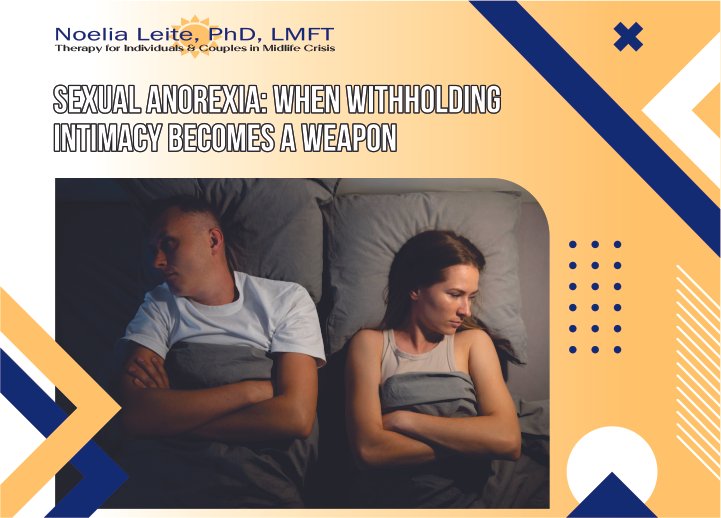
Sexual anorexia can create distance, shame, and emotional disconnection.
The Hidden Roots: Trauma and Fear
In many cases, sexual avoidance is not simply about lack of desire. It may be rooted in unresolved trauma or painful early experiences.
People who experienced sexual abuse, rigid or shaming messages about sexuality, or emotionally unsafe relationships may develop a protective response to intimacy. The body learns to associate closeness with danger.
As a result, intimacy can trigger feelings such as:
Vulnerability
Loss of control
Shame
Fear of being exposed or judged
Avoidance becomes a way to maintain emotional safety. From a psychological perspective, the withdrawal is not a choice—it is often an automatic protective mechanism.
Unfortunately, while this strategy may protect the individual from emotional discomfort, it can create significant distance and confusion in the relationship.
When Avoidance Becomes Control
In some relationships, withholding intimacy becomes more than avoidance—it becomes a form of relational control.
A partner may use sexual withdrawal to punish the other partner, maintain power, or express unresolved resentment.
This dynamic might include:
Refusing intimacy after conflicts as a way to exert control
Using criticism or rejection to avoid vulnerability
Creating shifting standards for when intimacy is “acceptable”
Withholding affection while expecting emotional support
Over time, the partner on the receiving end may feel unwanted, rejected, or emotionally abandoned.
This pattern can be just as damaging to a relationship as compulsive sexual behavior. Both extremes—sexual excess and sexual avoidance—can be symptoms of deeper emotional struggles with intimacy.
See also: The Importance of Couples Therapy and Other Interventions for Sex Addiction Treatment.
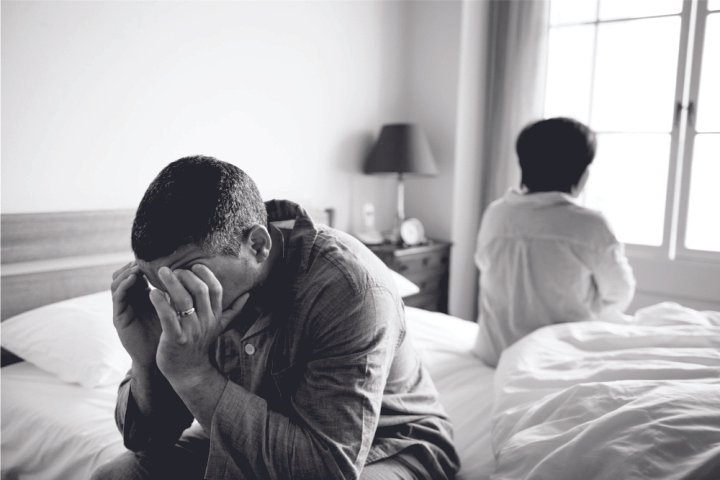
Avoiding intimacy may be a trauma response, not just low desire.
The Intimacy Spectrum
Sexual health exists on a spectrum. At one end are patterns of sexual compulsivity, where individuals seek sexual experiences to regulate emotions or escape distress. At the other end is sexual avoidance, where intimacy is feared or rejected.
Both patterns share a common root: difficulty tolerating emotional closeness and vulnerability.
Healthy intimacy requires the ability to be emotionally present, communicate needs, and tolerate vulnerability. When past experiences have made closeness feel unsafe, people may move toward either extreme—pursuing sex compulsively or avoiding it altogether.
Recognizing this spectrum helps shift the conversation away from blame and toward understanding the underlying emotional patterns.
The Impact on Relationships
When sexual anorexia is present in a relationship, both partners often suffer.
The partner avoiding intimacy may experience:
Anxiety about sexual expectations
Shame about not meeting their partner’s needs
Fear of vulnerability
Emotional numbness
Meanwhile, the partner seeking connection may feel:
Rejected or unattractive
Lonely within the relationship
Confused about what is wrong
Frustrated or resentful
Over time, these emotional reactions can create a cycle of pursuit and withdrawal. The more one partner pushes for closeness, the more the other retreats.
Without intervention, the relationship may become increasingly distant.
Understand how it works Does Hypnotherapy Work for Anxiety and Trauma? Debunking the Myths.

Therapy can help rebuild safety, trust, and healthy intimacy.
Healing Sexual Avoidance
The good news is that sexual avoidance is treatable. With the right therapeutic support, individuals and couples can rebuild emotional safety and intimacy.
Healing often involves several steps.
1. Understanding the underlying cause
Therapy helps explore the emotional roots of avoidance, including trauma, shame, or relationship wounds.
2. Reducing pressure around sex
Creating a safe environment where intimacy is not forced can help lower anxiety and rebuild trust.
3. Rebuilding emotional connection
Healthy intimacy begins with emotional safety. Couples often focus on communication, empathy, and vulnerability before addressing sexual concerns.
4. Gradual exposure to intimacy
Therapists may guide couples through structured exercises that reintroduce physical closeness in a slow and safe way.
5. Addressing trauma
If past trauma is present, trauma-informed therapy may be essential for healing the nervous system’s fear response.
The goal is not simply increasing sexual frequency, but creating authentic connection and safety.
Expanding the Conversation About Sexual Health
Sexual anorexia reminds us that intimacy problems are not only about excess—they can also involve absence.
Avoidance of intimacy can be just as painful and complex as compulsive sexual behavior. Both reflect deeper struggles with vulnerability, trust, and emotional safety.
By recognizing sexual avoidance as part of the broader conversation about relational health, couples can move beyond blame and toward healing.
With compassionate therapy and open communication, it is possible to rebuild trust, restore connection, and create a relationship where intimacy feels safe rather than threatening.
See also our article about How to Talk to Your Loved One About Seeing a Sex Addiction Therapist.
About The Author:

Dr. Noelia Leite is an integrative psychotherapist and relationship specialist whose work sits at the intersection of trauma recovery, emotional healing, and advanced couples therapy. With deep expertise in betrayal trauma, sex and multiple addictions, attachment injuries, and complex relational dynamics, she helps couples navigate some of the most painful and destabilizing experiences—rebuilding trust, restoring intimacy, and creating healthier patterns of connection.
She also works extensively with individuals facing anxiety, depression, trauma, identity challenges, and self-worth concerns, offering a compassionate, evidence‑based approach that supports both emotional and physiological healing. Her clinical style blends neuroscience, mind‑body medicine, attachment theory, and experiential therapies, creating a grounded and empowering therapeutic experience.
Dr. Leite holds a Ph.D. in Mind‑Body Medicine with a specialization in Integrative Mental Health, as well as Master degrees in Marriage and Family Therapy and Health Psychology. She is a Licensed Marriage and Family Therapist (LMFT) in several states in the USA, and a licensed clinical and counseling psychologist in Brazil and the United Kingdom. Dr. Leite has numerous years of international practice—including clinical work in Brazil, the United Kingdom, Singapore, Malasia, and Argentina—and expanded her expertise in the United States, deepening her specialization in couples therapy, multiple addictions, trauma treatment, and integrative mental health.
Dr. Leite’s clinical work spans diverse countries and cultural settings, including universities, hospitals, community mental health centers, and both public and private practice. Having lived and worked in several countries—and traveled to nearly 100—she brings a multicultural, philosophically grounded, and spiritually informed perspective to therapy. These experiences deepen her insight into relationships, identity, and healing across cultures.
Her contributions to scientific research and peer‑reviewed publications are recognized in the academic community. She is also a state‑approved supervisor and provides therapy in English, Spanish, and Portuguese.
Based in Miami, Florida, Dr. Leite offers both in-person and online therapy. She helps individuals, couples, and professionals move beyond toxic relationship patterns, unresolved trauma, and limiting emotional cycles to build greater self-awareness, healthier relationships, and lasting well-being. Learn more about Dr Leite.