Online Sexual Addiction: Social Media, OnlyFans, and the New Frontiers of Compulsive Behavior
The smartphone on your nightstand has become, for millions of people, a portal to compulsive sexual behavior that clinicians are only beginning to fully understand. Digital platforms have not merely moved an old problem online — they have fundamentally restructured it, introducing new psychological dynamics that blur the lines between entertainment, intimacy, and addiction.
Social media sexual addiction and OnlyFans addiction are not just trending buzzwords. They represent a clinically significant shift in how compulsive sexual behavior presents in therapy offices, support groups, and crisis hotlines across the world. If you or someone you love is struggling, understanding the new landscape is the first step toward meaningful recovery.
What Is Online Compulsive Sexual Behavior?
Compulsive sexual behavior disorder (CSBD) — recognized by the World Health Organization in the ICD-11 — refers to a persistent pattern of failure to control intense, repetitive sexual impulses that results in distress and functional impairment. Historically, this was discussed in terms of pornography use, compulsive masturbation, or high-risk sexual encounters. The internet changed everything.
Online compulsive sexual behavior now encompasses a broad spectrum: escalating pornography consumption, compulsive scrolling through sexualized social media content, parasocial fixation on content creators, and interactive subscription platforms like OnlyFans. The mechanisms of compulsion are the same, but the delivery system is dramatically more powerful and more personal.
Research from the Journal of Behavioral Addictions has consistently found that internet-based sexual behaviors are associated with higher rates of escalation, greater difficulty stopping, and more pronounced shame cycles than offline behaviors. The architecture of digital platforms is, in part, designed to maximize engagement, which, for vulnerable individuals, can accelerate the development of compulsive patterns.
See also: Tips for Couples to Improve the Outcome of Couples Therapy.
The OnlyFans Effect: When Parasocial Becomes Pathological
OnlyFans addiction represents one of the most clinically novel forms of online compulsive sexual behavior. Launched in 2016 and exploding in use during the COVID-19 pandemic, OnlyFans and similar subscription content platforms (Fansly, Patreon adult content, etc.) have introduced a dynamic that traditional pornography never offered: the illusion of a real relationship.
What Makes OnlyFans Psychologically Distinct
Traditional pornography is passive. The viewer watches; the performer is unaware of their existence. OnlyFans disrupts this dynamic in several important ways:
Direct messaging: Subscribers can send personal messages and receive personalized responses (often from the creator, sometimes from a management team).
Custom content requests: Paying for personalized content creates a transactional intimacy that mimics real-world romantic exchange.
Name recognition: Creators often address subscribers by name, reinforcing a sense of being "known."
Ongoing relationship: Unlike a single video, a subscription implies continuity — the creator will be there tomorrow, and the day after.
This architecture creates what psychologists call a parasocial relationship — a one-sided emotional bond in which one party feels genuine connection, intimacy, and even affection toward someone who does not know them. Parasocial relationships are not inherently unhealthy; we form them with athletes, musicians, and podcast hosts. But when layered onto sexually explicit content and financial transaction, they can become the scaffolding for serious compulsive behavior.
Clinicians are increasingly seeing clients who spend hundreds — sometimes thousands — of dollars monthly on OnlyFans subscriptions, not primarily for sexual gratification, but because they feel genuinely cared for by a creator. The sexual component and the emotional component become entangled in ways that make the behavior especially difficult to address in treatment.
Signs of OnlyFans Addiction
Not everyone who subscribes to adult content platforms has an addiction. The clinical markers to watch for include:
Spending significantly more money than intended, with repeated failed attempts to cut back
Prioritizing subscription spending over essential expenses (rent, bills, savings)
Feeling anxious, irritable, or depressed when unable to access content or messages
Hiding the behavior from partners, family, or therapists
Using the platform as a primary means of emotional regulation or stress relief
Experiencing relationship problems, work performance declines, or social withdrawal as a result
Continuing the behavior despite clear negative consequences
If four or more of these apply consistently over six months, a clinical evaluation is warranted.
Keep learning: The Role of a CSAT - Why Specialized Certification Matters in Recovery from Sex Addiction and Betrayal Trauma.

Social media and OnlyFans can intensify compulsive sexual behavior. Recovery is possible.
Social Media Sexual Addiction: The Slower Boil
If OnlyFans addiction presents with recognizable financial and behavioral markers, social media sexual addiction is more insidious — precisely because the behavior is normalized, the content is often non-explicit, and the platform is used by virtually everyone.
Instagram, TikTok, X (formerly Twitter), Reddit, and Tumblr (before its content policy changes) all contain vast quantities of sexualized content, ranging from suggestive influencer posts to explicit adult communities. The critical distinction is the algorithm.
How Social Media Algorithms Drive Compulsive Sexual Behavior
Social media recommendation systems are designed to maximize engagement time. They do this by identifying and amplifying content that produces strong emotional reactions — and sexual content is among the most emotionally activating material the human brain encounters. For individuals predisposed to compulsive sexual behavior, this creates a feedback loop that can unfold gradually over weeks or months:
A user engages briefly with sexualized content (a like, a pause, a profile visit).
The algorithm registers this engagement and serves more similar content.
Dopaminergic reward pathways reinforce the behavior.
The user requires more novel, more explicit, or more frequent content to achieve the same emotional effect — a process called tolerance.
Attempts to stop or reduce use produce withdrawal-like symptoms: irritability, difficulty concentrating, intrusive thoughts, and craving.
This is not hypothetical. A 2021 study published in JAMA Psychiatry found that individuals who identified as having problematic pornography use showed neural activation patterns in the striatum — the brain's reward center — that closely mirrored those seen in substance use disorders when exposed to sexual cues. Social media delivers those cues in a continuous, personalized stream.
The "Soft Addiction" Problem
One reason social media sexual addiction is under-treated is that it rarely looks like addiction from the outside. Someone compulsively browsing sexualized Instagram content looks, from across the room, identical to someone innocuously scrolling through cooking videos. There is no needle, no bottle, no obvious behavioral marker that signals a problem.
This invisibility enables denial — in the person themselves and in the people around them. Partners may notice emotional distance, decreased interest in physical intimacy, or irritability without connecting it to a social media habit. Therapists may not think to ask. The individual may rationalize: Everyone does this. It's just Instagram. It's not like I'm watching pornography.
But the clinical impact — relationship erosion, decreased life satisfaction, inability to be present, escalating digital consumption — is real and measurable.
The Intersection: When Platforms Overlap
Modern online compulsive sexual behavior rarely stays confined to a single platform. Clinicians describe a common escalation pathway:
Begins with mainstream social media (Instagram Reels, TikTok)
Progresses to dedicated adult content sites (PornHub, xVideos)
Moves to interactive platforms (OnlyFans, Chaturbate)
Sometimes culminates in live cam sites or soliciting real-world encounters
Each step offers greater novelty, greater perceived connection, and greater stimulation — and each step increases the neurological entrenchment of the compulsive pattern. Understanding this escalation pathway is critical for both treatment planning and early intervention.
See also our article about Understanding the Hidden Impact of Betrayal Trauma, Sex Addiction, and Codependent Patterns.
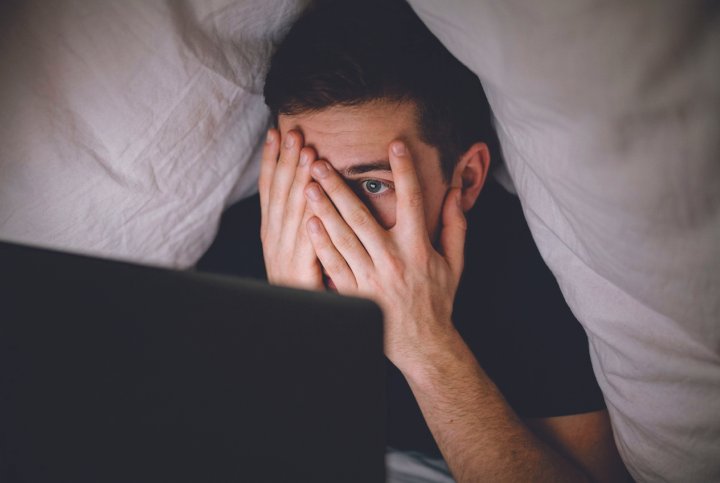
OnlyFans addiction can blur sexuality, intimacy, money, and emotional dependency.
Who Is Most Vulnerable?
Online compulsive sexual behavior does not discriminate by gender, age, or background, but research identifies several risk factors:
Existing mental health conditions: Anxiety, depression, ADHD, and trauma histories significantly elevate risk. Many individuals use sexual content as a dysregulation strategy — it works in the short term, which reinforces continued use.
Loneliness and social isolation: The pandemic years produced a dramatic spike in reports of compulsive online sexual behavior, correlating directly with increased social isolation.
Early exposure: Individuals first exposed to internet pornography before age 13 show significantly higher rates of compulsive sexual behavior in adulthood.
Attachment insecurity: Anxious and avoidant attachment styles are overrepresented in clinical populations with CSBD. Parasocial connections offer the intimacy of attachment without its vulnerability.
High sensation-seeking: A trait associated with novelty-seeking and impulsivity, common in people who struggle with various addictive behaviors.
Read more: Understanding Sex Addiction - Road to Recovery.
Treatment: What Actually Works
The clinical consensus is that online compulsive sexual behavior is treatable, and most individuals who engage seriously with treatment experience significant improvement. The evidence base includes several approaches:
Cognitive Behavioral Therapy (CBT)
CBT remains the frontline treatment for CSBD, including online variants. It focuses on identifying triggers (emotional states, situational cues, thought patterns), disrupting automatic behavioral responses, and building alternative coping strategies. Specific CBT protocols for compulsive sexual behavior have been developed and validated in clinical trials.
Acceptance and Commitment Therapy (ACT)
ACT is particularly useful for addressing the shame cycles that maintain compulsive sexual behavior. Rather than fighting urges, ACT teaches psychological flexibility — the ability to experience a craving without acting on it — through mindfulness, values clarification, and committed action.
Trauma-Focused Approaches
For individuals with underlying trauma (a significant subset of people with CSBD), trauma-informed therapies like Hypnotherapy or EMDR (Eye Movement Desensitization and Reprocessing) address the root emotional material that drives compulsive behavior as a coping mechanism.
Support Groups
Twelve-step programs (Sex Addicts Anonymous, Sexual Compulsives Anonymous) and non-twelve-step alternatives (SMART Recovery) offer community, accountability, and peer support that complements individual therapy. Online support communities — carefully distinguished from platforms that enable the behavior — have expanded access significantly.
Medication
While no medication is FDA-approved specifically for CSBD, several are used off-label. SSRIs can reduce compulsive urges in some individuals. Naltrexone, approved for alcohol and opioid use disorder, shows preliminary evidence of benefit in reducing craving intensity in compulsive sexual behavior. Medication is typically used adjunctively, not as a standalone treatment.
A Note for Partners
If you are in a relationship with someone struggling with online sexual addiction — whether centered on OnlyFans, social media, or other platforms — your experience deserves recognition. Partners of individuals with CSBD commonly report betrayal trauma, decreased self-esteem, sexual rejection, and profound confusion. These responses are valid and clinically documented.
Couples therapy with a clinician trained in sexual compulsivity can be an important part of the recovery process — not just for the person with CSBD, but for rebuilding trust, communication, and intimacy in the relationship.
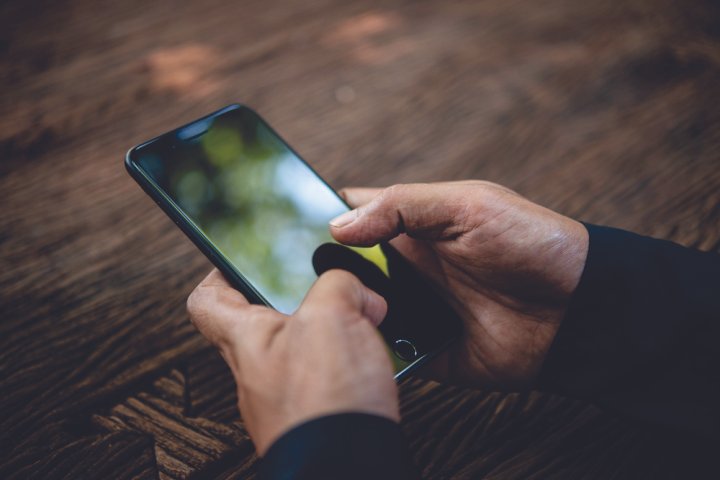
Online sexual addiction is treatable. Understanding the pattern is the first step toward recovery.
Breaking the Shame Cycle
Perhaps the most clinically important thing to communicate about online compulsive sexual behavior is this: shame is not a treatment. It is, in fact, one of the primary drivers of the behavior.
Most people struggling with OnlyFans addiction or social media sexual addiction are acutely aware that their behavior is causing harm. They have tried to stop. They have deleted apps, cancelled subscriptions, made promises to themselves and others. The relapse is not evidence of moral failure — it is evidence that willpower alone is insufficient against a well-researched, algorithmically optimized delivery system targeting the brain's most powerful reward pathways.
What works is not more shame. What works is clinical support, community connection, and the slow building of new neural pathways through consistent behavioral change.
Want to know more about Blended Families in Miami: Navigating Discipline and Ex-Partners. Check out our article.
When to Seek Help
If you recognize yourself or someone you love in this article, please consider reaching out to a mental health professional with training in sexual compulsivity or behavioral addictions. The International Institute for Trauma and Addiction Professionals (IITAP) certifies specialists in this area.
You do not have to be at "rock bottom" to deserve help. The earlier compulsive patterns are addressed, the less collateral damage accrues — to relationships, finances, self-concept, and mental health.
The Bottom Line
Digital platforms have not created sexual compulsivity, but they have supercharged it. OnlyFans addiction, social media sexual addiction, and the broader category of online compulsive sexual behavior are not character flaws or moral failures. They are clinically recognized patterns of behavior driven by neurological, psychological, and systemic factors — and they are responsive to evidence-based treatment.
The conversation is shifting. Clinicians are getting better at asking the right questions. Researchers are mapping the neural correlates. Individuals are finding language for experiences that previously had none. If you are struggling, that shift is for you.
Understand how it works Support Groups for Betrayal Trauma: Powerful Healing Experiences.
About the Author

Dr. Noelia Leite is an integrative psychotherapist and relationship specialist whose work sits at the intersection of trauma recovery, emotional healing, and advanced couples therapy. With deep expertise in betrayal trauma, sex and multiple
addictions, attachment injuries, and complex relational dynamics, she helps couples navigate some of the most painful and destabilizing experiences—rebuilding trust, restoring intimacy, and creating healthier patterns of connection.
She also works extensively with individuals facing anxiety, depression, trauma, identity challenges, and self-worth concerns, offering a compassionate, evidence‑based approach that supports both emotional and physiological healing. Her clinical style blends neuroscience, mind‑body medicine, attachment theory, and experiential therapies, creating a grounded and empowering therapeutic experience.
Dr. Leite holds a Ph.D. in Mind‑Body Medicine with a specialization in Integrative Mental Health, as well as Master degrees in Marriage and Family Therapy and Health Psychology. She is a Licensed Marriage and Family Therapist (LMFT) in several states in the USA, and a licensed clinical and counseling psychologist in Brazil and the United Kingdom. Dr. Leite has numerous years of international practice—including clinical work in Brazil, the United Kingdom, Singapore, Malasia, and Argentina—and expanded her expertise in the United States, deepening her specialization in couples therapy, multiple addictions, trauma treatment, and integrative mental health.
Dr. Leite’s clinical work spans diverse countries and cultural settings, including universities, hospitals, community mental health centers, and both public and private practice. Having lived and worked in several countries—and traveled to nearly 100—she brings a multicultural, philosophically grounded, and spiritually informed perspective to therapy. These experiences deepen her insight into relationships, identity, and healing across cultures.
Her contributions to scientific research and peer‑reviewed publications are recognized in the academic community. She is also a state‑approved supervisor and provides therapy in English, Spanish, and Portuguese.
Based in Miami, Florida, Dr. Leite offers both in-person and online therapy. She helps individuals, couples, and professionals move beyond toxic relationship patterns, unresolved trauma, and limiting emotional cycles to build greater self-awareness, healthier relationships, and lasting well-being. Learn more about Dr Leite.